Solar modules
Modules convert sunlight into direct-current electricity. Compare product specifications, available area, warranty terms and suitability for the roof.
A clear introduction to rooftop solar in India: how the parts work together, what affects system design and which details to check before deciding.
The final equipment list depends on the system type and site. These are the common pieces your proposal may cover.
Modules convert sunlight into direct-current electricity. Compare product specifications, available area, warranty terms and suitability for the roof.
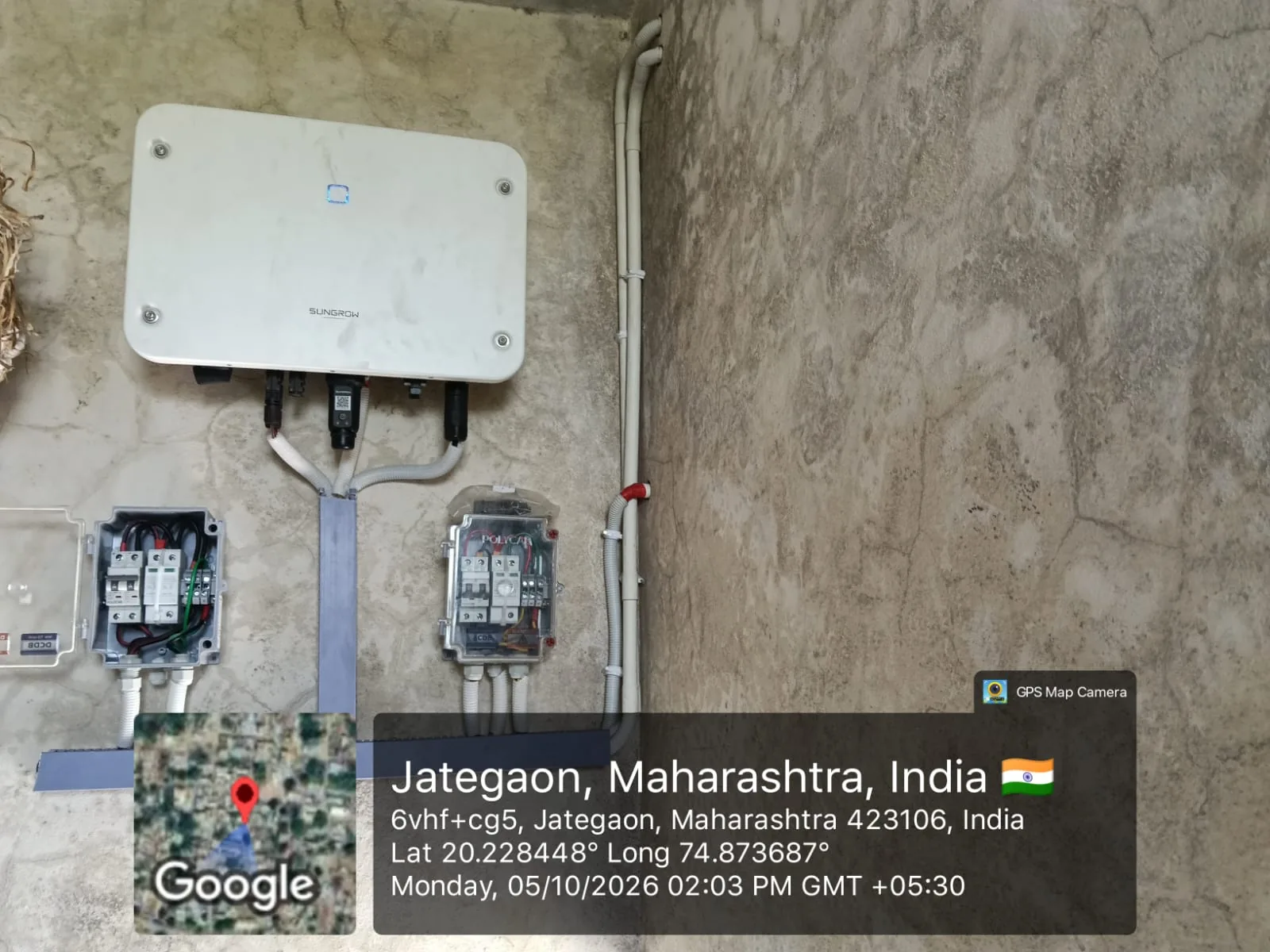
The inverter converts generated electricity into usable alternating current and may provide performance information for monitoring.
Structures attach the modules to the roof. Design should consider roof type, wind exposure, corrosion protection, waterproofing and safe access.
Wiring, isolators, earthing and surge protection are part of a complete installation and must follow applicable electrical requirements.
Grid-connected systems need appropriate utility and metering arrangements. Rules vary by DISCOM and location.
Batteries store energy for later use in certain system designs. They affect system scope, cost, usable backup and operating choices.
System names describe how solar interacts with the grid and storage. Ask how your design behaves during a utility outage and what loads it can support.
Works alongside the utility connection. Common for homes and businesses that want solar generation while remaining connected to the grid. A standard grid-tied inverter usually shuts down during a power outage for safety.
Combines grid-connected solar with battery storage. Backup capability depends on the inverter, battery capacity, selected circuits and system configuration.
Designed to operate without a utility grid connection, typically with storage and careful load planning. It requires sizing for the site's energy needs and available sunlight.
Subsidy availability, eligibility, approved-vendor requirements, net-metering rules and timelines can change. Confirm current details through official channels for your location before relying on an estimate.
Check current scheme rules and application steps on the relevant government portal.
Ask about technical feasibility, interconnection, metering and documentation requirements.
Keep a copy of the scope, exclusions, price assumptions and warranty terms.
Share your bill and property type with our team.